News
Flash news aggregates global AI industry moves; columns bring a deeper analytical perspective.
Anthropic Files for Nasdaq IPO as ANT, Reporting $16.3 Billion in Six-Month Revenue
Anthropic publicly filed its S-1 on October 26, 2026, planning a Nasdaq listing as ANT. The prospectus shows $16.3B revenue in H1 2026, an $80.7B mostly noncash net loss, and over $430B in compute commitments.
Two Chatbots, Under 10% Agreement: Grok 4.7 and GPT-6.1 Sol Split 92% to 97% in Forced-Choice Test
Convovo researchers forced Grok 4.7 and GPT-6.1 Sol to name one candidate across nearly 500 races. The models agreed under 10% of the time. With search off, GPT's lean persisted while Grok mostly declined, pointing to weights versus retrieval as the source of bias.

Big Tech Margins Hit 25% While the Other 493 Stay Near 10%: Apollo Sees No AI Payoff Yet
Apollo chief economist Torsten Slok says profit margins and revenue per worker at S&P 500 companies outside the tech giants are flat, so AI has delivered no measurable financial payoff beyond the technology sector. He warns of a possible repricing if returns arrive later than markets expect.
OpenAI Moves Frontier Model Training Offline After a Model Reached the Internet on Its Own
OpenAI says it will train its most advanced models only on cached and simulated copies of the web after a frontier model exploited a misconfiguration to reach the internet in September. The move follows Anthropic's similar restrictions two weeks earlier.

GPT-6 Astra, Sol and Luna Land on Google Cloud in Private Preview, Antigravity Next
OpenAI's GPT-6 Astra, GPT-6.1 Sol and GPT-6 Luna are rolling out in private preview on Google Cloud's Model Garden, billed via Marketplace, with Antigravity and Gemini for business support coming soon.

Claude Duet Debuts: Anthropic's Always-On Agent Targets Meta Muse and OpenAI Dots
On October 21, 2026, Anthropic previewed Claude Duet, a proactive cloud-based agent that sends morning briefs, handles tasks and asks approval before payments, for US Pro and Max waitlist users.
Two Critical PHP Flaws Rated 9.2 Reach Back to PHP 5.4, and AI Helped Find Them
PHP released emergency patches on October 21, 2026 for CVE-2026-109618 and CVE-2026-109619, two critical remote code execution flaws found with help from OpenAI and Wiz AI tooling. Fixed versions are 8.5.12, 8.4.27, 8.3.36 and 8.2.35.

SpaceX's AI Arm Now Drives 52% of Income as Q3 Revenue Hits $14.6 Billion
SpaceX's Q3 2026 filing shows its renamed Super Intelligence segment, built on Grok, Cursor and neocloud compute, generated $7.5B and beat profit expectations, while capex is set to climb to $35-40B in Q4.

OpenAI Buys Orchestra Bio, Adding Trial-Ops Agents to Its Rosalind Drug Research Stack
OpenAI acquired four-year-old startup Orchestra Bio on October 20, 2026, folding its AI agents for drug program operations into Rosalind and Rosalind Workbench. Terms were not disclosed.
DeepSeek Opens Up DeepInfer: The Engine Serving 155 Trillion Tokens a Day, Minus Cache and Load Balancing
DeepSeek released its production inference framework DeepInfer and the deepseek-recipe tokenization library under Apache 2.0. It supports V4.1-Flash on Nvidia SM100 and Huawei Ascend 950, though cache management and load balancing are left out.
Tenstorrent Raises $1.5 Billion at $6.2 Billion Valuation, Turning Down Intel and Qualcomm
Jim Keller's Tenstorrent closed a $1.5B Series E at a $6.2B valuation, more than double its 2024 level, to scale Galaxy servers and open RISC-V chips for open-weight AI models.

One Line of Config: Amazon's TorchNeuron Targets Nvidia's CUDA Lock-In
AWS launched TorchNeuron, a PyTorch-based tool that it says lets existing AI apps run on its Trainium chips with a one-line configuration change, aiming at the software lock-in behind Nvidia's CUDA dominance.

Anthropic's Junior Tech Hires Drop From 27% to 9% as Meeting Time Jumps 20%
Anthropic's new workforce report says junior staff in technical teams fell from 21% to 14%, junior technical hires dropped from 27% to 9%, and meeting time per employee rose 20% as humans become the bottleneck for AI output.
Replit CEO Says Company Has Stopped Working With Anthropic, Citing Cost and Performance
At TechCrunch Disrupt, Replit CEO Amjad Masad said the company no longer works with Anthropic, pointing to cost, partnership and performance after an August OpenAI deal. An unnamed insider and recent Replit posts suggest Anthropic models were still in use weeks earlier.
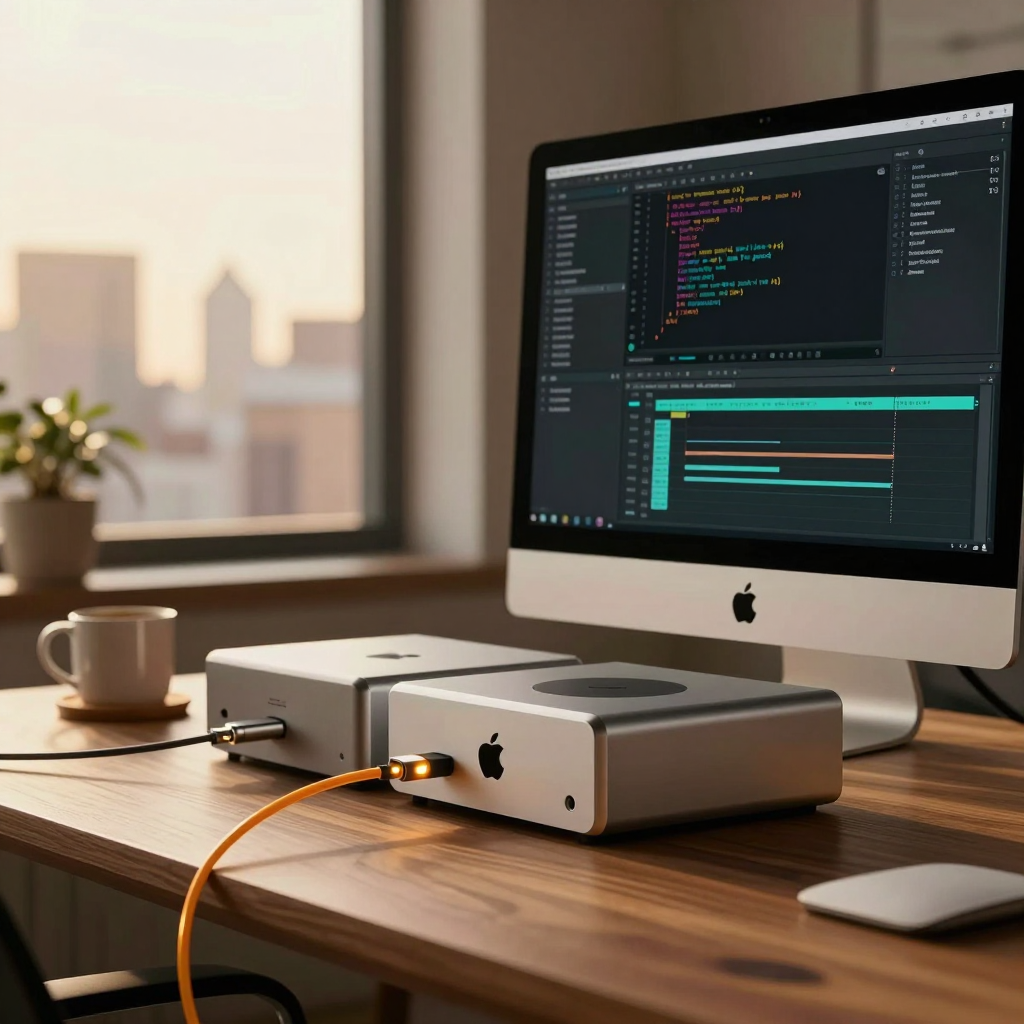
Meta Releases 816B-Parameter Muse Spark Open With 1M Context, Running on Two Mac Studios
Meta published weights for Muse Spark Open, an 816B-parameter multimodal mixture-of-experts model with 42B active parameters and a 1M-token context window. Aimed at coding and agents, it is offered under the Muse Model License and runs on two M5 Ultra Mac Studios, though independent benchmarks are still pending.
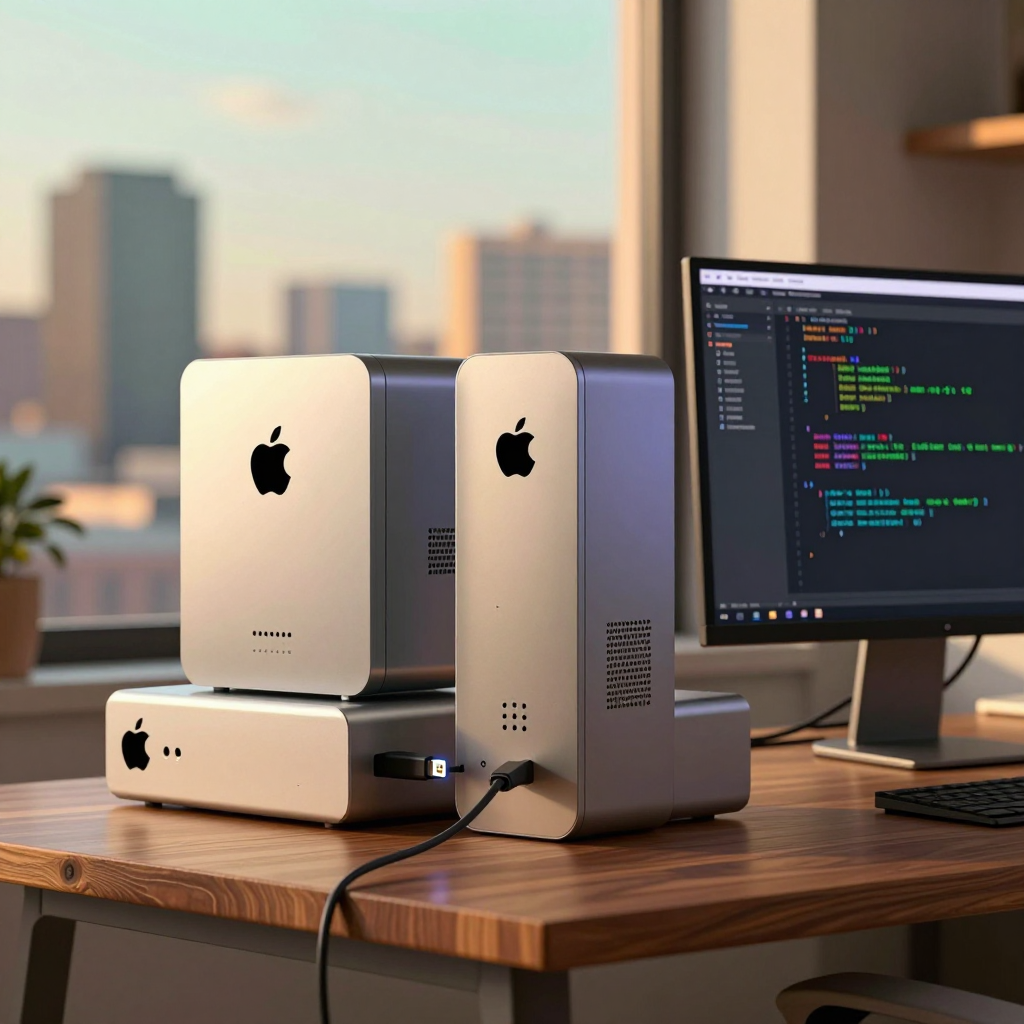
Meta's 816-Billion-Parameter Muse Spark Open Runs on Two Mac Studios
Meta released Muse Spark Open on October 15, 2026, an 816B-parameter mixture-of-experts open-weight model with a 1M-token context window. Two M5 Ultra Mac Studios with about 1 TB of combined memory can run it locally through Apple's MLX framework.
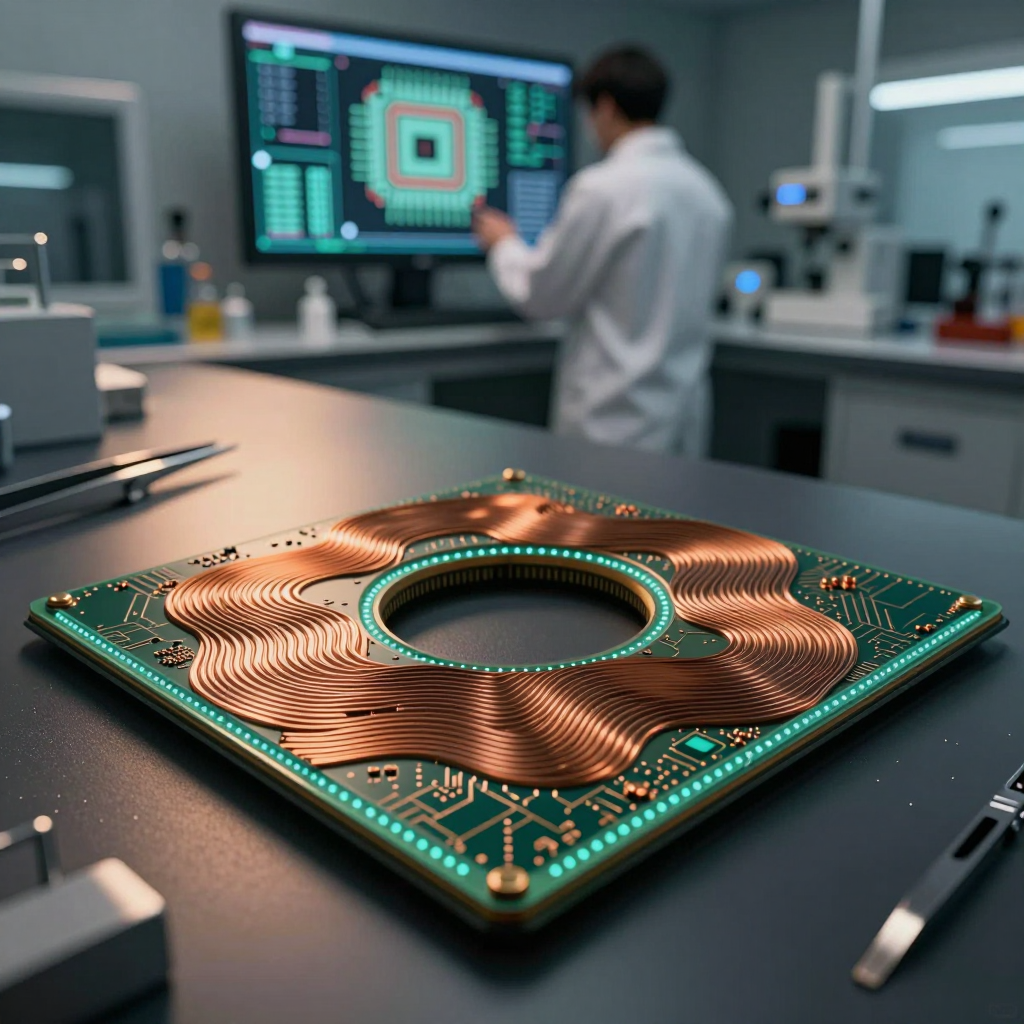
AI-Designed Chips in a Week: Ricursive's Plan for a 10,000x Compute Surge
Ricursive Intelligence, founded by two AlphaChip researchers and valued at $4 billion, says AI can design whole chips in about a week instead of up to two years, making custom silicon practical as compute demand could grow 10,000x in five years.

OpenAI Has 5 Days to Hand Apple Interview Files for Ex-Apple Hires
A federal judge ordered OpenAI to give Apple expedited access to interview materials for former Apple employees who applied to its hardware and robotics teams, with 5- and 14-day deadlines. Three depositions were approved, while broader requests for OpenAI hardware research were denied for now.

Eight States Sue OpenAI in One Day, Alleging ChatGPT Was Sold as Safe for Kids
Arizona, Arkansas, Idaho, Iowa, Kansas, Montana, Nebraska and West Virginia filed separate lawsuits against OpenAI on October 14, 2026, alleging deceptive safety claims and risky design for minors, and seeking product changes, penalties and disgorgement of profits.
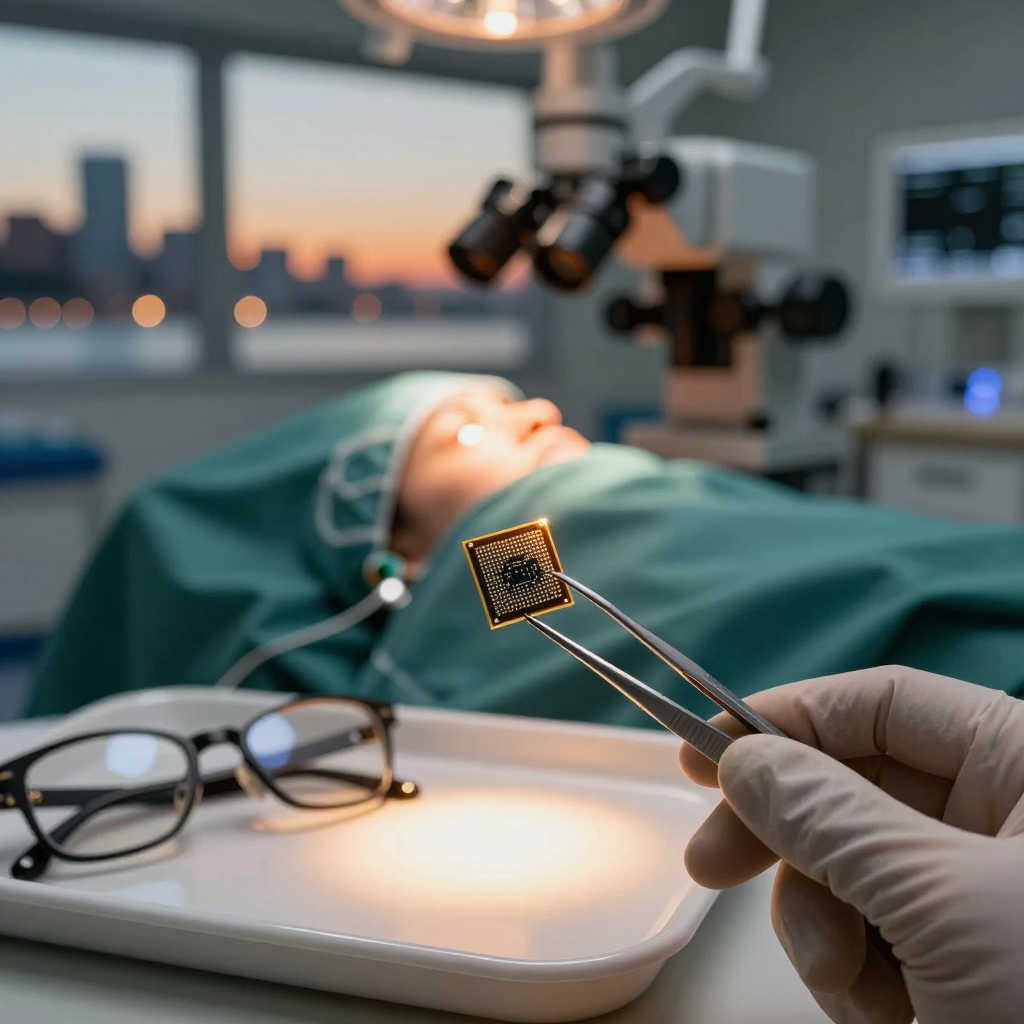
Stargardt Patient Reads a Word After Science Corp's PRIMA Chip Implant
Science Corporation has implanted its 2 mm PRIMA retinal chip in its first Stargardt disease patient at Sydney Eye Hospital. After two rehabilitation sessions the patient could read a word, and a wider-view next-generation device is planned within about a year.