Judge Voids Pentagon's Supply-Chain-Risk Label on Anthropic
News Summary
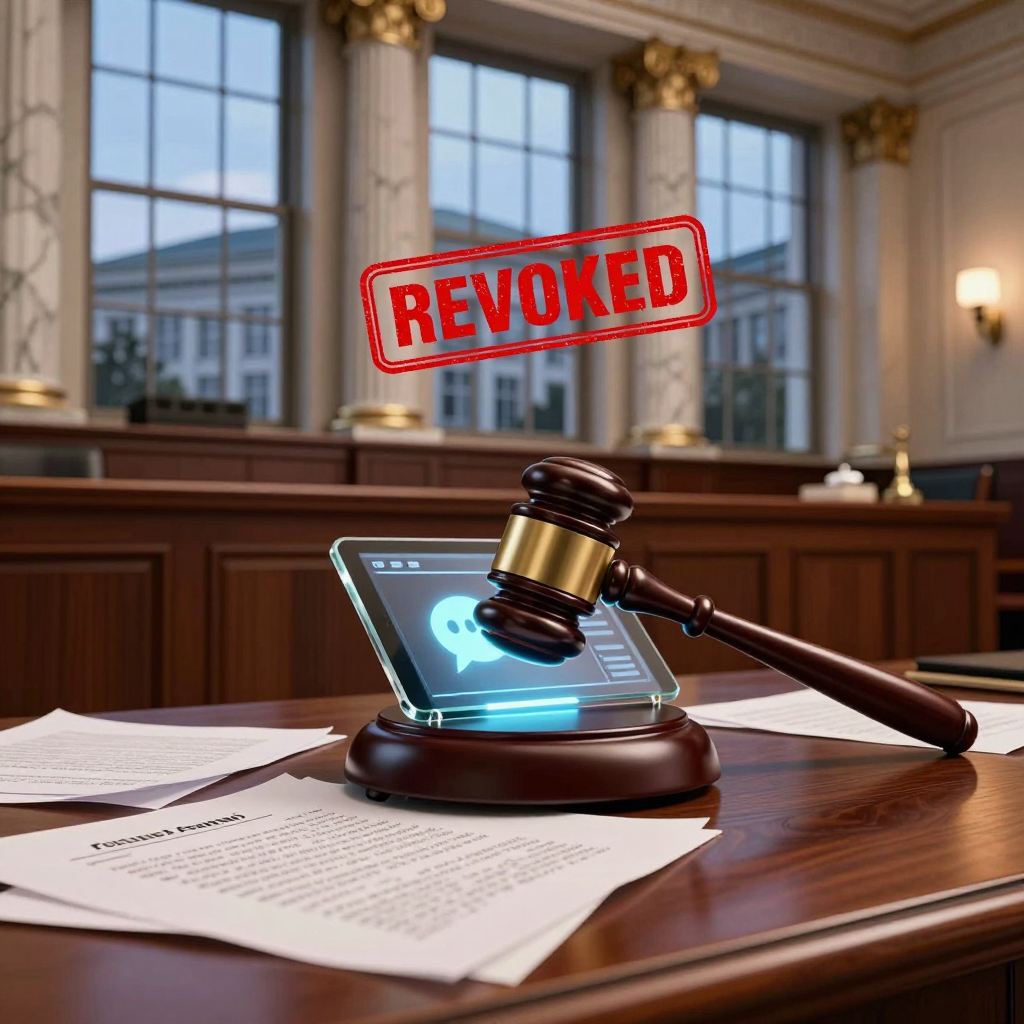
A federal judge in California has struck down the Pentagon's designation of AI company Anthropic as a "supply chain risk," ruling on Thursday, August 27, 2026 (Pacific Time) that the label violated Anthropic's constitutional rights and ordering the government to rescind it. The decision closes out a months-long legal fight that began after Anthropic refused to loosen safety guardrails the Pentagon wanted lifted so its Claude models could be used in fully autonomous weapons systems and domestic mass surveillance.
The Ruling
U.S. District Judge Rita F. Lin of the Northern District of California issued a 59-page opinion finding that the Department of Defense's actions against Anthropic amounted to unlawful retaliation under the First Amendment and violated the Due Process Clause of the Fifth Amendment. Judge Lin wrote that the government's justification rested principally on Anthropic's public criticism of the administration's approach to military AI use, rather than on any genuine security concern. "The empty invocation of national security is not a blank check to punish and retaliate against government critics," she wrote.
Lin also found that Anthropic was denied the "pre-deprivation process" required before the government stripped the company of its liberty interests — meaning officials imposed the designation without adequate notice or a meaningful opportunity for Anthropic to respond. The ruling set aside the supply-chain-risk designation that Defense Secretary Pete Hegseth had placed on the company and issued a permanent injunction barring the government from enforcing or giving further effect to the challenged directives.
How the Dispute Began
The conflict traces back to earlier this year, when the Department of Defense pressed Anthropic to remove internal safeguards preventing its Claude models from being used in fully autonomous lethal weapons or for mass surveillance of American citizens. Anthropic declined, arguing publicly that its models were not reliable enough to be deployed for such high-stakes military and surveillance purposes and that maintaining these guardrails was a matter of responsible AI deployment. In late February 2026, Anthropic said the Pentagon's "final offer" on contract terms was unacceptable, and the company's leadership stated it "cannot in good conscience accede" to demands that would have required removing the safeguards.
Rather than continuing negotiations, the Pentagon designated Anthropic a supply-chain risk — a label with serious reputational and commercial consequences that can affect a company's eligibility for federal contracts and business relationships across the technology sector. Anthropic sued the administration in March 2026, and a judge issued a temporary block on the designation while the case proceeded. Thursday's ruling represents the final, permanent resolution of that lawsuit.
Evidence Cited by the Court
In her opinion, Judge Lin pointed to the government's own conduct as undermining its stated national-security rationale. She noted that the Pentagon continued to pursue and discuss further work with Anthropic even after issuing the supply-chain-risk designation, writing that "none of that is consistent with a genuine fear that Anthropic is a saboteur who would poison its software to harm national security." The court concluded that neither the Constitution nor the federal statute the government invoked permits agencies to "impose sweeping penalties based principally on Anthropic's critique of the Administration's views."
Reaction
An Anthropic spokesperson welcomed the ruling, saying the company "remains focused on working productively with the government to harness AI for our national security so all Americans benefit from this technology." The statement signaled that Anthropic intends to continue engaging with federal agencies on national security applications of its technology, even as it maintains the safety guardrails at the center of the dispute.
The government is expected to appeal the decision, according to legal observers following the case. The ruling is being closely watched across the technology industry as an early test of how courts will handle disputes between AI developers and government agencies over the terms under which advanced AI systems can be deployed for military and security purposes.
Why It Matters
The case highlights a broader tension in AI governance: as government agencies seek to adopt advanced AI tools for national security work, developers are increasingly asserting the right to set conditions on how their technology is used, particularly around autonomous weapons and surveillance applications. Legal experts note that the ruling reinforces limits on how agencies can use administrative designations like "supply chain risk" labels, ensuring that such tools cannot be applied punitively against companies that raise good-faith safety objections. For the broader technology sector, the decision may serve as a reference point for future disputes over AI procurement, safety standards, and free-speech protections for companies engaging in public policy debates.
This article was compiled by the AIBARS editorial team with AI assistance. AI can make mistakes, so please check the original source for anything important. Spotted an error? Email [email protected].