ChatGPT Launches Virtual Try-On Worldwide With Images 2.5 and a Saved Favorites Library
News Summary
OpenAI has added a virtual try-on feature to ChatGPT, letting users see how clothing and accessories might look on them by uploading a selfie and a full-body photo. The company announced the global launch on October 1, 2026 (Eastern Time), alongside a second shopping feature that lets people save products they like to a personal library. Both tools are powered by ChatGPT Images 2.5, OpenAI's newest image model, and they push the chatbot further into fashion discovery, a space long shaped by search engines and visual platforms.
How the Feature Works
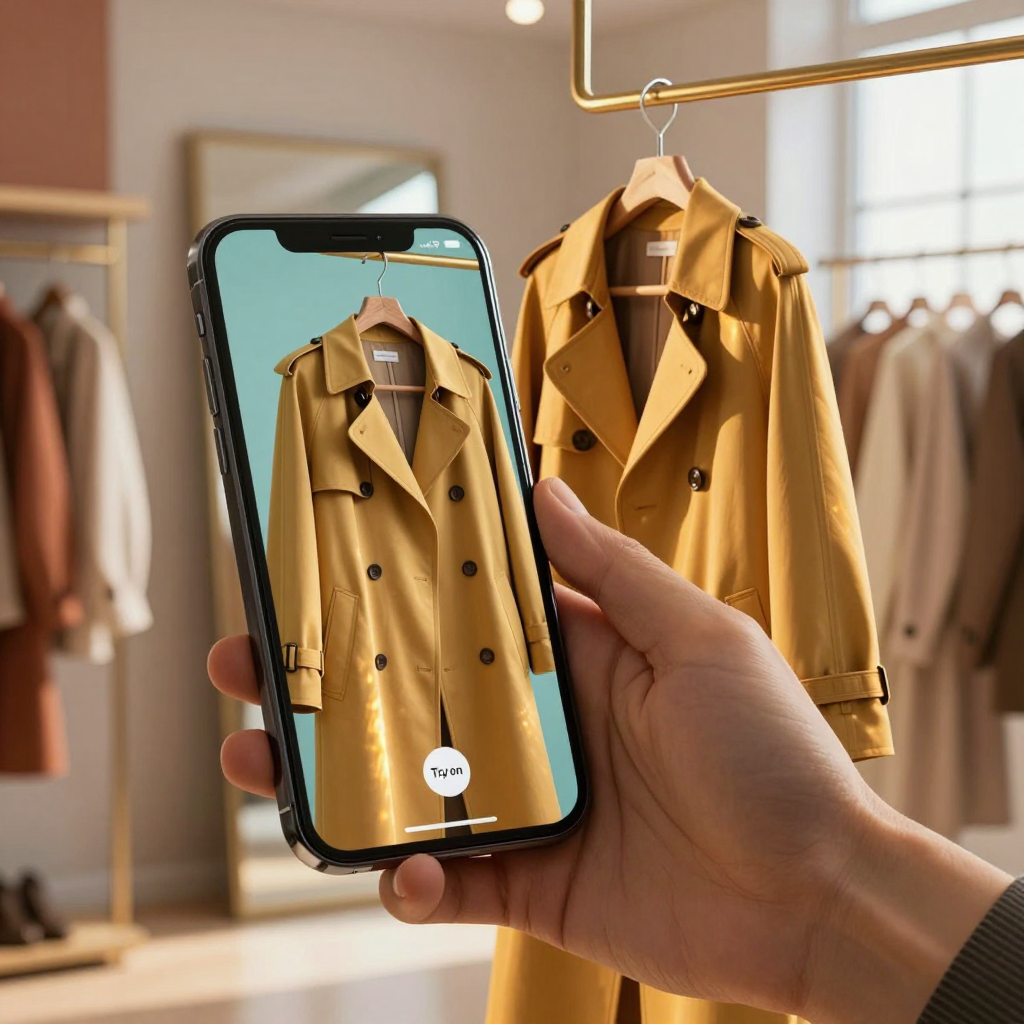
When ChatGPT surfaces clothing items during a shopping conversation, a "Try on" button appears on the product. Tapping it prompts the user to provide a selfie and a full-body photo, which the system uses as a reference to generate an image of the person wearing the item. First-time users can take a new photo or pick one from their gallery.
The feature is not limited to products ChatGPT shows in chat. Users can upload a screenshot of clothing they found elsewhere, such as a social media post or a retailer's page, and generate a try-on image from it. ChatGPT can also help complete an outfit or search for similar products when a user likes a particular look. According to coverage of the launch, it can even help identify items worn by public figures that are available to buy.
The Technology Behind It
The shopping tools rely on ChatGPT Images 2.5, which Engadget reports was released in September 2026. OpenAI says the model produces more natural lighting and richer textures, follows editing instructions more reliably, and reduces image generation latency. Those traits matter for try-on, where believable shadows, fabric texture and fast results determine whether the output feels useful.
Under the hood, virtual try-on is a conditional image generation problem. The model must keep the person's face, body shape and pose consistent while replacing or adding garments, and it must adapt the clothing's folds and lighting to the new body. Better instruction following helps users refine results with follow-up requests, such as changing a color or pairing a jacket with different trousers.
Saving Products and Reference Photos
The second feature lets users save products they discover to a Library or Favorites area in the app, so they can return to them later. ChatGPT can also store uploaded reference photos, so users do not need to submit the same images for every new try-on. Android Authority reports that these reference photos can be deleted through Settings, then Personalization, then Reference photos.
Availability
OpenAI described the rollout as global. Android Authority reported that the feature was available to users in Canada on both mobile and web as of October 2, 2026, and TechCrunch's coverage describes the launch as worldwide. No specific retail partners were named in TechCrunch's report.
Privacy and Accuracy Considerations
Photos of one's body are sensitive personal data. Engadget notes that images from personal accounts can be used to improve OpenAI's models by default unless users opt out, so people who want to keep their photos out of training should review their data controls before uploading.
On accuracy, a generated image can suggest how a color or style looks on someone, but it cannot confirm fit, fabric drape or sizing, which are the factors that most often lead to returns. OpenAI's own guidance says to check the merchant's measurements, product details and return policy before buying.
Context in the Shopping Landscape
Google introduced a comparable virtual try-on capability in July 2025, so OpenAI is following an established idea rather than inventing a new one. TechCrunch frames the update as positioning ChatGPT against Pinterest and Google for fashion discovery. It also arrives after OpenAI discontinued an Instant Checkout feature that underperformed, and after the company experimented with in-chat advertising for merchants. The new tools suggest a shift toward helping people browse and decide inside the chat, rather than handling the purchase itself.
Why It Matters
For consumers, visualization can reduce the guesswork of online clothing purchases. For the AI field, the launch shows image generation models moving from creative novelty to practical, everyday utility. How well the feature handles diverse body types, lighting conditions and garment styles will determine how much people trust it for real purchase decisions.
Sources
This report draws on coverage from TechCrunch (October 1, 2026), Engadget, and Android Authority (October 2, 2026), with details cross-checked across the three.