Google Home Now Lets Claude, ChatGPT and Other AI Agents Control Your Devices
News Summary
Google has begun rolling out early access to a new Model Context Protocol (MCP) server for Google Home, a move that lets third-party AI agents — not just Google's own Gemini — securely view and control smart home devices through natural language. The rollout started Wednesday, September 16, 2026, and marks one of the most significant openings of a major smart home ecosystem to outside AI systems to date.
What Home MCP Actually Does
The Model Context Protocol is an open standard, originally introduced by Anthropic, that lets AI applications connect to external tools and data sources in a structured, secure way. By building an MCP server for Google Home, Google is effectively creating a standardized doorway through which any compatible AI agent can ask questions about a household's connected devices and issue commands to them, without Google having to build a custom integration for every individual AI product.
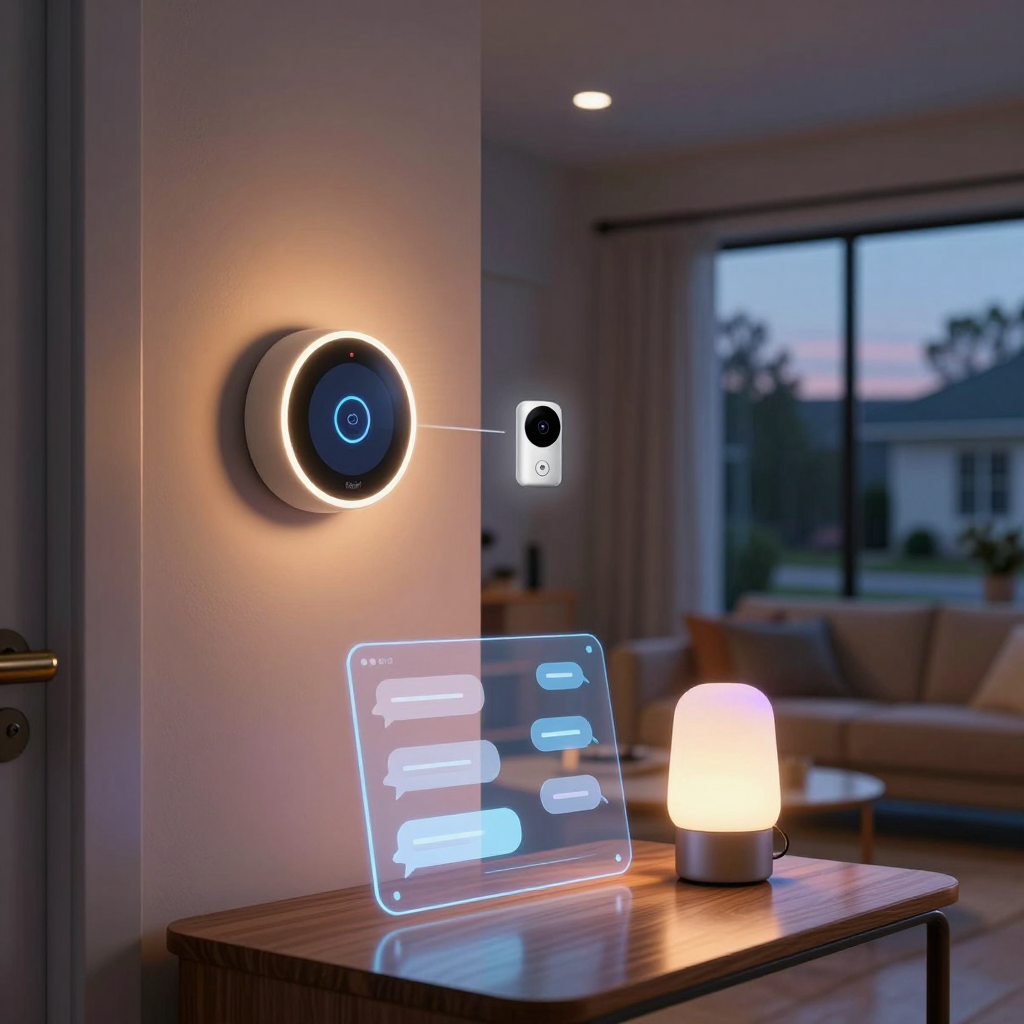
Once connected, an agent can use natural language to review camera event summaries, monitor smart home activity, check device status, control connected devices such as lights and thermostats, pull up event history, and even help users build custom smart home dashboards. Supported hardware spans Google's own Nest doorbells and thermostats, as well as the broader universe of "Works with Google Home" and Matter-compatible devices, including third-party smart bulbs and other connected accessories.
Which AI Agents Are Supported
Because Home MCP is built on an open protocol rather than a proprietary Google-only interface, a range of AI agents can plug into it. Early coverage of the rollout named Anthropic's Claude, OpenAI's ChatGPT, and additional agents referred to as Hermes and OpenClaw, alongside Google's own Antigravity agent platform, as systems that can connect to the new server. This is notable because it means a household's smart home data and controls are no longer locked exclusively behind Gemini — users can choose whichever AI assistant they already rely on and extend it into their physical home environment.
How Setup Works
Turning on Home MCP is not yet a one-tap consumer feature. According to early access documentation, users need to create a Google Cloud project, configure Home MCP settings within it, retrieve configuration details, and then supply those details to whichever AI agent they want to grant access to. The process also includes a sign-in and permissions step, where the user explicitly authorizes the chosen agent to view and act on their smart home devices. The multi-step setup suggests Google is initially targeting developers, power users, and early adopters rather than mainstream households.
Availability and Rollout Timeline
Home MCP is currently limited to Google Home Premium Advanced subscribers — the tier priced at roughly $20 per month — in the United States only. Google said access will roll out gradually over the coming weeks rather than to all eligible subscribers at once. The company has not said when or whether the feature will expand to lower-cost subscription tiers or to markets outside the U.S., leaving the pace and scope of a broader rollout unclear for now.
Gemini for Home Also Gets an Upgrade
Alongside the Home MCP early access, Google separately announced improvements to Gemini for Home, its built-in smart home assistant. The update improves Gemini's ability to handle voice commands that combine media playback requests with smart home controls in a single instruction, part of a broader push to make the Home platform's native AI experience feel more natural and less like issuing a sequence of separate commands.
Why This Matters for the Smart Home Industry
For years, major smart home platforms have functioned largely as closed ecosystems, with a single voice assistant acting as the sole gatekeeper to a household's connected devices. By opening Google Home to outside AI agents through a standardized protocol, Google is signaling a shift toward interoperability at the AI layer, not just at the device layer that standards like Matter already address. If the approach proves durable, it could set a precedent for how other smart home platforms think about AI agent access, potentially giving consumers more flexibility to mix and match the AI assistants and the smart home hardware they use, rather than being locked into a single vendor's assistant to get full functionality out of their devices.