Google Rolls Out Lyria 3.5 Music AI Across Gemini, API, and Vids
News Summary
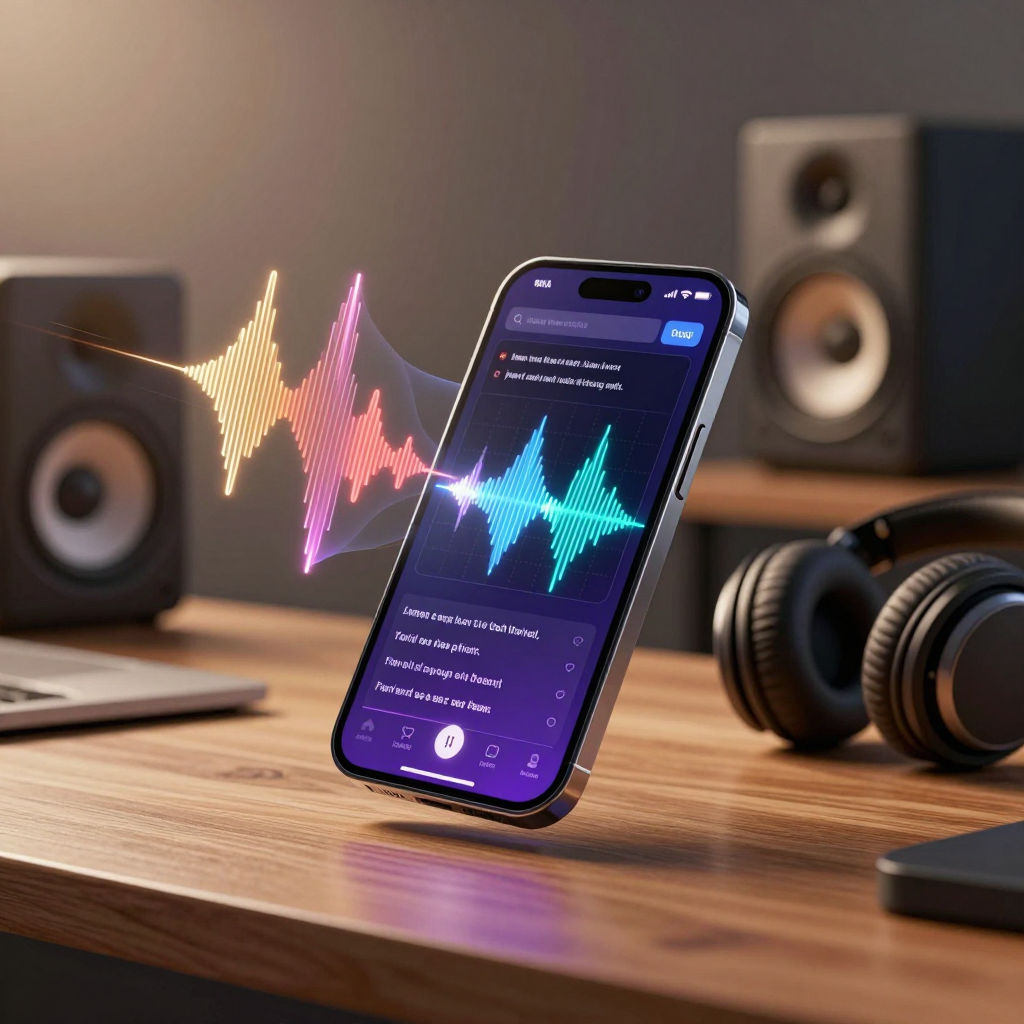
Google has begun rolling out Lyria 3.5, its newest AI music generation model, to the Gemini app and the Gemini API, marking the broadest release yet for the company's audio generation technology. The rollout, announced on September 4, 2026 (Pacific Time), extends a model that first debuted in Google Flow Music on July 29, 2026, and now brings it to a much wider audience of everyday users, artists, and developers worldwide.
What Lyria 3.5 Brings
Google describes Lyria 3.5 as its best-sounding music generation model to date. Compared with earlier versions, the company says it delivers more expressive vocal performances, richer instrumental arrangements, and higher overall audio fidelity. Output is generated as 44.1 kHz stereo audio, a quality level comparable to standard commercial music releases, and the model is built to produce structurally coherent songs that can include multiple verses, choruses, and bridges rather than short, repetitive loops.
Track length is adjustable, with generations ranging from roughly one minute up to about three minutes depending on the prompt, giving users flexibility for different use cases, from short jingles to fuller songs.
Where It's Available
The expanded rollout spans several Google products simultaneously:
- Gemini app — available on both web and mobile, opening the feature to Gemini's global user base
- Gemini API — available to developers through Google AI Studio, allowing the model to be integrated into third-party applications and workflows
- Google Flow Music — the creative tool for artists and musicians where Lyria first launched in July
- Google Vids — Google's video creation tool within Workspace, letting users add AI-generated soundtracks directly to video projects
Google says the feature is rolling out globally to all Gemini users, rather than being limited to a specific region or subscription tier.
Creative Controls and Use Cases
Lyria 3.5 gives users several ways to shape the music it generates. People can select or describe a musical genre and choose between vocal or instrumental output. The model also supports image-to-music generation, letting users upload a picture and have the system compose a track inspired by its mood or content.
For lyrics, users can either write their own or ask the model to generate lyrics around a specific theme or subject. Google has also built in template-based shortcuts for common scenarios such as background music, birthday songs, custom jingles, and ringtones, aimed at making the tool approachable for people without a musical background.
On the developer side, the Gemini API documentation lists a companion option called Lyria 3 Clip, which produces fixed 30-second clips, alongside the primary Lyria 3.5 model for longer, more customizable tracks. Requests can be sent as text prompts or as a multimodal input combining text with up to ten images, and generated files can be returned in either MP3 or WAV format.
Safety and Content Provenance
As with Google's other generative media models, every track produced by Lyria 3.5 carries an inaudible SynthID watermark embedded directly in the audio. This allows the origin of a clip to be verified later, helping listeners, platforms, and rights holders distinguish AI-generated music from human-recorded tracks without affecting how the audio sounds.
Google also applies safety filtering to all prompts submitted to the model. According to the Gemini API documentation, requests that attempt to mimic a specific artist's voice or reproduce copyrighted material are blocked before generation. The API is designed for single-turn generation, meaning users generate a complete track from a single prompt rather than iteratively refining a clip across multiple exchanges, and Google notes that results can vary between calls even when the same prompt is used twice.
Industry Context
The release follows a broader pattern across the AI industry of expanding generative audio tools from experimental or invite-only previews into mainstream, general-availability products. By making Lyria 3.5 available simultaneously in a consumer chat app, a dedicated creative studio, a productivity tool, and a developer API, Google is positioning music generation as a feature that spans casual personal use, professional content creation, and third-party software integration rather than a standalone novelty product.
Coverage of the rollout has noted that the jump from the July preview in Flow Music to the September expansion reflects fairly rapid iteration, with Google citing measurable gains in vocal expressiveness and arrangement complexity in just over a month between the two releases.