Apple Opens Health AI Study for Up to 200,000 U.S. Participants
News Summary
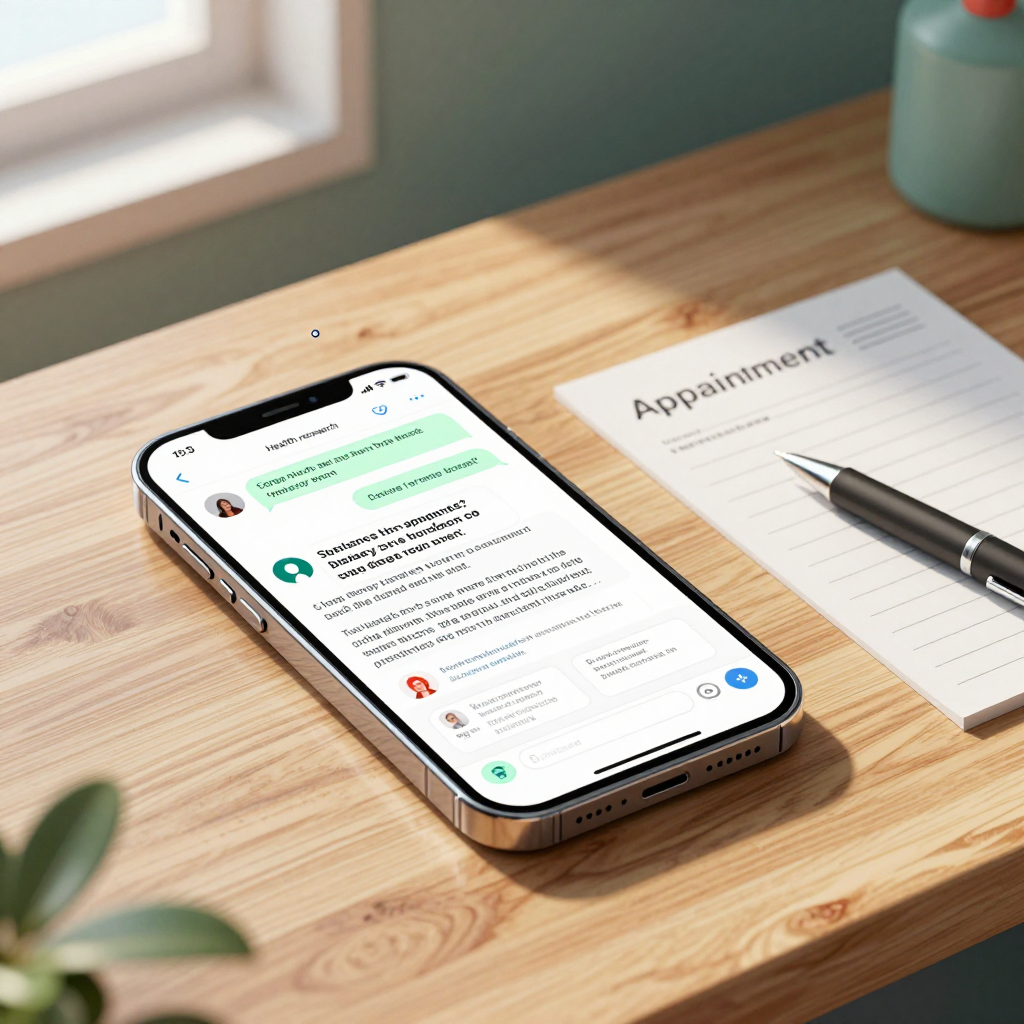
Apple has opened a U.S. research study that will let participants ask a clinical AI system health questions while researchers examine whether people trust, understand and act on its answers. The project, built with healthcare AI company OpenEvidence, is designed to study how conversational tools fit into everyday health decisions—not to launch a diagnostic product.
What Apple is studying
Announced on November 15, 2026, the Apple Health AI Usage Study combines an iPhone app with a virtual research program. Apple says the study will examine the factors that shape trust in health AI, the quality and clarity of answers, participants’ comprehension, and whether the information influences everyday health actions. A further question is whether AI can help people prepare for conversations with their own clinicians.
Participants can submit routine health questions and receive accessible explanations of medical topics with links to peer-reviewed clinical references. Apple says the answers draw on OpenEvidence’s medical information sources, which include The New England Journal of Medicine, the Journal of the American Medical Association, and Nature. The study also gives participants a way to rate responses and provide feedback; TechCrunch reports that monthly surveys are part of the program.
How the app works
The study is open to as many as 200,000 eligible participants in the United States who are at least 21. They need an Apple Intelligence-enabled iPhone 15 Pro or later running iOS 26 or later. Apple’s announcement says users can download the study app to review the study and choose whether to enroll.
Participants may optionally share selected HealthKit information, such as resting heart rate, activity, sleep, or lab results. The stated research question is whether personal context changes an answer’s relevance and a user’s understanding. Sharing is voluntary, according to Apple, and participants retain control over whether to provide health metrics or survey responses.
Privacy and clinical boundaries
Apple says study data will not be used to train AI models and that the study includes privacy protections, transparency measures, and safety guardrails. Its announcement says the app is intended to detect certain concerning questions and direct participants toward a healthcare provider or other resources. TechCrunch adds that Apple described anonymizing data before sending it to a third-party cloud provider, and that OpenEvidence deletes query and response data after 24 hours. Those are company-reported safeguards; they are not an independent audit of the complete data lifecycle.
Apple explicitly says the study app is not intended to diagnose or treat a condition or replace professional medical advice. That caveat matters because an answer can be well sourced and still be misunderstood, incomplete, or poorly suited to an individual case. The study’s attention to comprehension and real-world use addresses a different question from whether an AI system can retrieve medical facts correctly.
Why the study matters
Health questions are already part of consumer chatbot use, while clinical AI systems are increasingly used by healthcare professionals. The new study puts the patient-facing interaction itself under examination: what people ask, how they interpret answers, what information makes explanations useful, and when a tool should prompt a conversation with a clinician. Its OpenEvidence partnership supplies a medical-reference-oriented response experience, while Apple supplies the participant-facing study and the optional link to personal HealthKit data.
The design also offers a glimpse of the evidence Apple may want before deciding how health-oriented AI should work in its wider products. The launch announcement does not promise that this study app’s question-answering feature will become part of Apple Health or Siri. The immediate objective is to gather research evidence about use and understanding, rather than to announce a general-purpose consumer health assistant.
What the results will need to show
A large enrollment target can help researchers observe varied patterns of use, but participation alone does not establish that AI improves health decisions. Useful findings would need to distinguish confidence from comprehension, measure whether cited evidence changes how people evaluate an answer, and explain how outcomes vary across different questions and levels of health literacy. It will also matter whether participants act on information appropriately and whether they bring better questions to clinical visits.
The public launch materials describe the study’s purpose and safeguards, but do not provide a protocol, planned outcome measures, independent evaluation, or results. Until those are available, the announcement should be read as a research initiative with a defined enrollment ceiling and eligibility rules—not evidence that AI health answers are already safe or effective for any particular medical decision. The app is not a substitute for consulting a qualified clinician.
Announcement timeline
Apple’s Newsroom announcement is dated November 15, 2026; it does not specify a publication time. TechCrunch published its report at 5:30 p.m. Pacific Standard Time on November 15, 2026. The reported U.S. app availability began that day.
This article was compiled by the AIBARS editorial team with AI assistance. AI can make mistakes, so please check the original source for anything important. Spotted an error? Email [email protected].