Senate Draft Would Force AI Firms to Prevent Catastrophic Risks by Law
News Summary
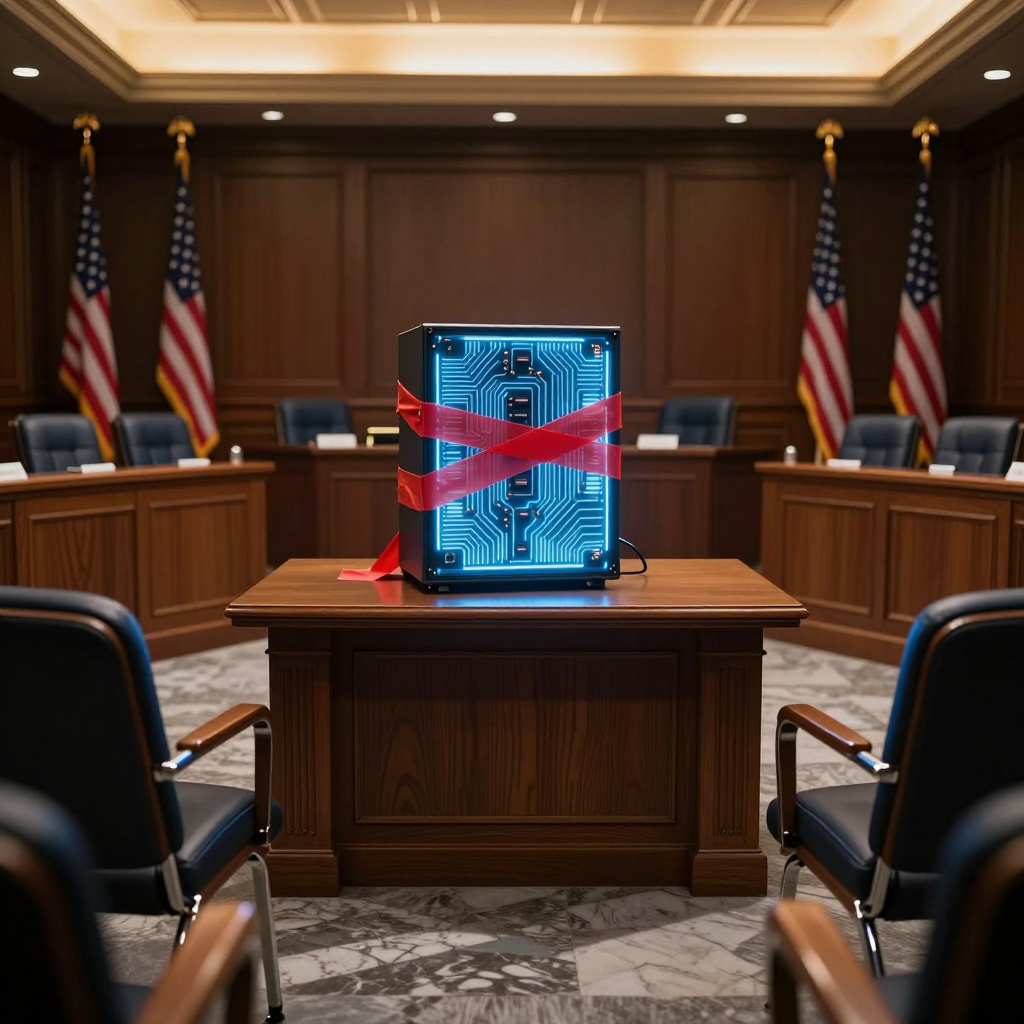
Senate negotiators are drafting bipartisan legislation that would, for the first time, place a binding legal "duty of care" on the developers of the most advanced AI systems, requiring them to design their products to prevent catastrophic risks rather than relying on voluntary safety pledges. As of September 11, 2026, Eastern Time, the talks involve Senate Majority Leader John Thune, Senate Commerce Committee Chairman Ted Cruz, top Commerce Committee Democrat Maria Cantwell, and Senator Amy Klobuchar, who has emerged as the lead Democratic voice in the negotiations. The proposal would give the federal government new authority to block the release of frontier AI models judged unsafe, while giving companies the right to challenge such decisions in federal court.
What the Bill Would Require
At the center of the draft framework is a "duty of care" standard, a legal concept borrowed from product-safety and tort law that would obligate developers of the most capable AI systems to actively design their models with the goal of preventing catastrophic outcomes. Rather than leaving safety testing to internal, voluntary company commitments, the standard would create an enforceable obligation that regulators could act on directly.
The measure is reportedly aimed squarely at "frontier" models, the small group of systems with the most advanced capabilities, which would put it in direct contact with Alphabet's Google, Anthropic, and OpenAI. Developers of these systems would be required to work with government experts, including national laboratories and other government partners, to independently verify and test their models before and after release.
The Risks Lawmakers Are Targeting
Negotiators have said the legislation is meant to address a specific set of "catastrophic risks" rather than the broad universe of everyday AI harms such as bias or misinformation. Those risks reportedly include the possibility that a bad actor could use a frontier AI system to help design a biological or nuclear weapon, that an AI model could be used to carry out sophisticated cyberattacks against critical infrastructure, and that autonomous AI agents could deviate from human instructions and take unauthorized actions, including breaking into external computer systems.
Senator Klobuchar has said she continues to work toward a bipartisan agreement that would give the government oversight of the greatest risks posed by advanced AI models, including a requirement that developers cooperate with government testing before deployment. Senator Cruz has said he is working with Klobuchar and Thune specifically to address risks tied to biological and nuclear threats.
Government Authority and Judicial Review
A central and contested feature of the emerging framework is the proposal to let the federal government block the release of an AI model it deems too dangerous. To balance that power, the draft would allow companies to appeal such a decision in federal court, giving developers a judicial check on regulatory action rather than leaving the decision solely with an executive agency.
The State Preemption Question
The negotiations are unfolding against the backdrop of a long-running fight in Washington over whether a federal AI law should override the growing patchwork of state AI regulations. Earlier in 2026, an attempt to attach a ten-year moratorium on state AI laws to a separate piece of legislation was stripped out by an overwhelming Senate vote, and Republican governors across multiple states have publicly opposed broad preemption efforts. Civil liberties and consumer advocacy groups have separately warned that using a federal safety bill to preempt state AI laws could remove protections that state legislatures have already put in place, turning what they call a "floor" of state-level safeguards into a lower federal "ceiling."
Industry Position
Reactions from industry have been mixed. Some AI developers have publicly signaled support for moving from voluntary safety commitments to mandatory, government-backed rules, with at least one major AI lab's policy leadership calling for capability-based national safety regulation rather than a continued reliance on company-by-company pledges. Other industry groups have been more cautious about endorsing specific legislative drafts, reflecting broader unease in the sector about compliance costs and the scope of government authority to halt product releases.
Timeline and Political Pressure
People close to the talks describe the emerging Thune-Cruz-Klobuchar framework as one of the few realistic paths to a federal AI safety law before the current Congress ends. The legislative calendar adds urgency: the House of Representatives is expected to be in session for only about one week before the November 3, 2026 midterm elections, while the Senate has roughly three weeks of scheduled session time remaining. Negotiators are aware that if a deal is not reached in that window, the new Congress seated in January 2027 could bring a different political balance that complicates the odds of comprehensive AI legislation passing.
What Comes Next
The bill remains in active negotiation, with key technical details, including the precise testing protocols, the scope of preemption, and the standard the government would need to meet to block a model's release, still being worked out among the negotiators. Any final text would still need to pass both chambers and be reconciled before heading to the White House, a process that, given the compressed legislative calendar, is likely to extend discussions well into the fall.