ChatGPT Images 2.0 Arrives: OpenAI's Reasoning-Powered Visual Engine Redefines What AI Can Draw
News Summary
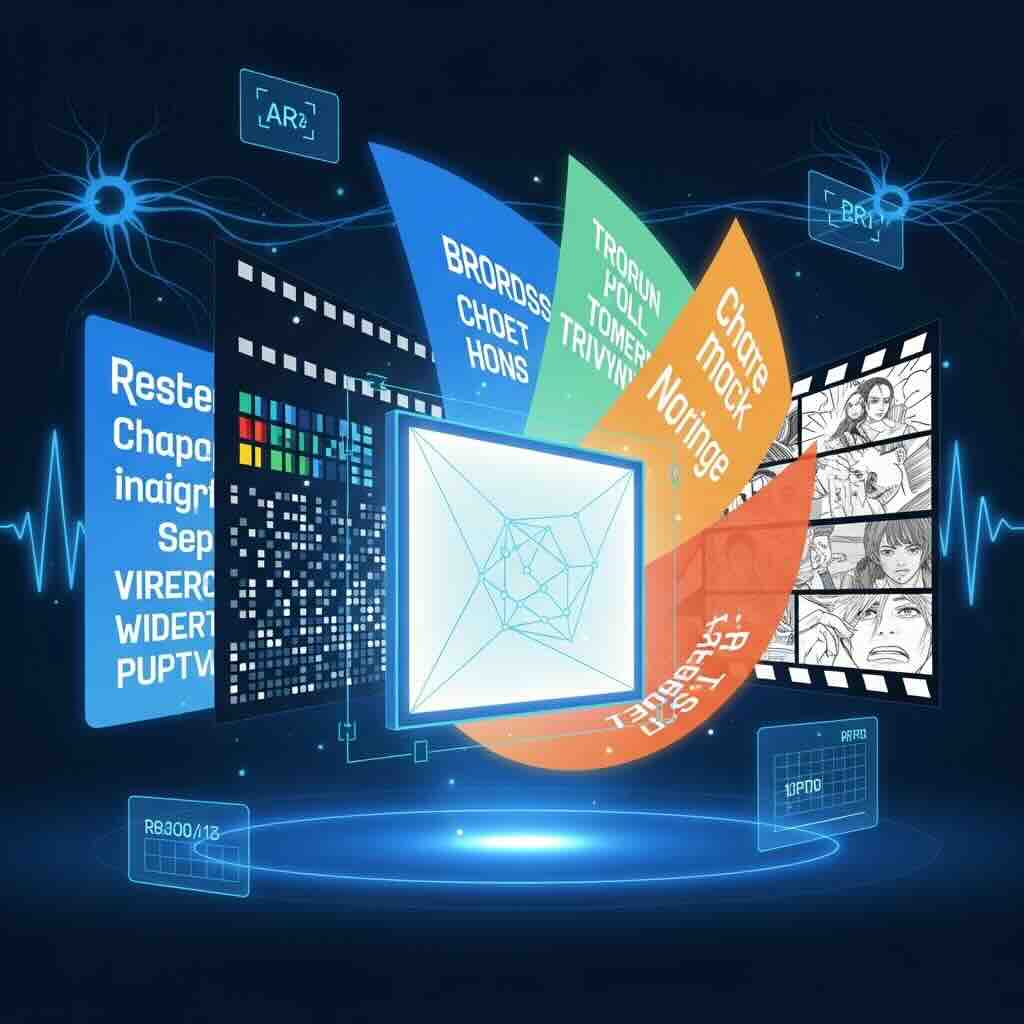
On April 21, 2026 (PDT), OpenAI officially launched ChatGPT Images 2.0, powered by its next-generation model gpt-image-2, marking a major leap forward in AI-driven visual creation. The update is immediately available to all ChatGPT and Codex users, with API access for developers also confirmed. Images 2.0 integrates reasoning capabilities into image generation for the first time, enabling the model to handle complex, multi-output visual workflows with significantly improved text rendering, multilingual support, and stylistic fidelity.
Availability and Access Tiers
OpenAI announced ChatGPT Images 2.0 on April 21, 2026 (PDT) via its official blog and social channels. Access is structured in tiers: all ChatGPT and Codex users receive the core model improvements immediately, while paid subscribers — including Plus, Team, and Enterprise members — unlock more advanced output capabilities and higher generation volumes. The gpt-image-2 model is simultaneously available through the OpenAI API, with pricing tiered by resolution and quality. API image output is priced at $30.00 per million tokens for standard outputs, with cached input pricing at $2.00, representing a reduction compared to the prior model's output costs.
Precision, Instruction-Following, and Text Rendering
One of the most significant technical advances in Images 2.0 is its dramatically improved ability to follow detailed, complex prompts. The model supports outputs at up to 2K resolution via the API and demonstrates new levels of fidelity in rendering small text, dense UI elements, iconography, and fine stylistic constraints — areas where earlier generative models frequently fell short. Typography accuracy has been reported at approximately 99%, a substantial improvement that makes the model viable for real-world design tasks such as marketing materials, product mockups, and branded graphics. The previous limitation of AI image tools producing garbled or misspelled text in generated imagery has been substantially addressed.
Multilingual Visual Output
Images 2.0 introduces meaningful advances in multilingual rendering, with OpenAI noting particular improvements in non-Latin scripts including Japanese, Korean, Chinese, Hindi, and Bengali. The model can now generate images where language is a fully integrated design element — appearing in posters, diagrams, infographics, and narrative formats such as comic panels — without the consistency failures that characterized earlier systems. This expands the practical utility of the model across global content creation use cases.
Stylistic Range and Format Flexibility
The new model demonstrates stronger consistency across a broad spectrum of visual styles, including photorealistic imagery, cinematic stills, pixel art, and manga. Texture, lighting, composition, and fine detail are better preserved across style transfers. Alongside stylistic improvements, Images 2.0 also introduces flexible aspect ratio support — ranging from 3:1 wide banners to 1:3 portrait formats — allowing users to generate assets tailored directly to platforms such as presentations, social media, and mobile applications without additional post-processing.
Reasoning-Integrated Workflows and Batch Output
For the first time in OpenAI's image product line, Images 2.0 incorporates thinking capabilities drawn from the company's O-series reasoning models. When paired with thinking or pro-tier models, the system can analyze tasks more deeply, leverage contextual information, and generate up to eight coherent outputs in a single request — with character and object continuity maintained across the batch. This enables structured workflows such as storyboarding, multi-format campaign creation, and iterative design exploration from a single prompt, reducing the manual effort previously required to stitch together sequential visual outputs.
Model Transition and Legacy Support
With the launch of gpt-image-2, OpenAI confirmed it is deprecating GPT-Image-1.5 as the default model across its product suite. The prior model will remain accessible via the API for legacy support purposes, but Images 2.0 is now positioned as the primary model for both consumer and enterprise creative workflows. The model snapshot versioned as gpt-image-2-2026-04-21 is listed in the OpenAI API documentation.